


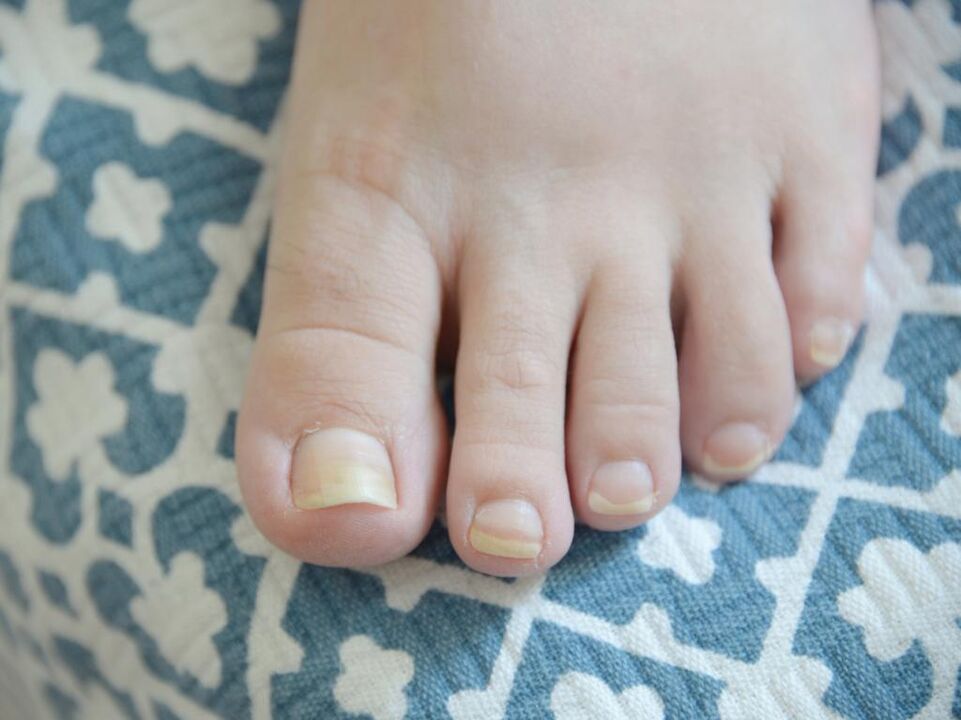
Onychomycosis or nail fungus is one of the most famous and dangerous diseases, which must be treated in order not to cause complications.With this disease, the nail plate on the hands or feet is affected, and then the adjacent skin.The affected area has an unattractive appearance and is considered a significant aesthetic problem, which can be a factor in many complexes.In addition, as the disease progresses, the body will begin to experience toxins released by the fungal microflora during its own lifetime.Directly for this reason, you should learn to identify nail fungus at an early stage.
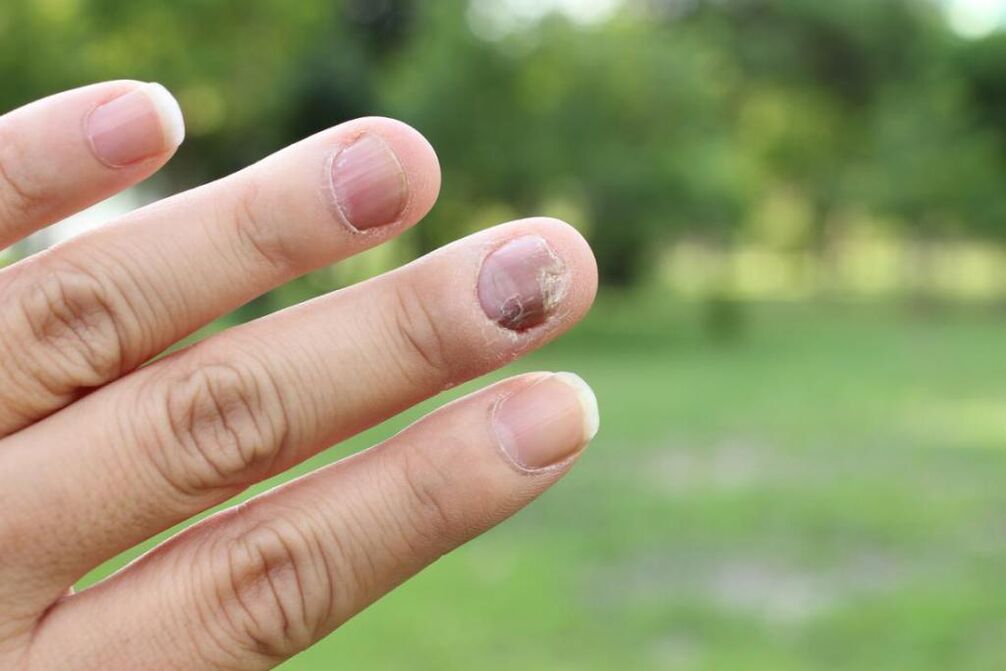
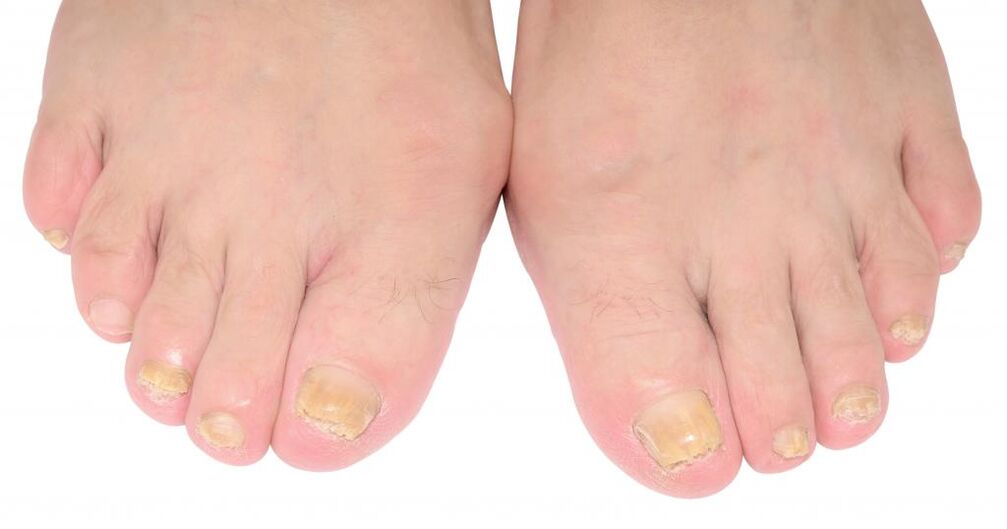
The first signs of nail fungus appear already in the early stages of the development of this disease;first of all, you can see a change in the nail plate, which acquires a yellowish color, becoming very dull and matte.Often, fungal infections are observed on the toenails, but if left untreated, the spread of pathogenic bacteria continues.After a relatively short period of time, the disease spreads to other toenails, which also turn yellow, become dull, and after a while they usually separate, thicken and become very hard, difficult to cut with scissors.Many people are interested in the appearance of the initial stages of nail fungus, the attached photo.Let's try to figure this out.
The reasons
Often, patients come to dermatologists with nail fungus problems, and the infection occurs in various ways.
The disease can actively develop with a complete lack of hygiene, as well as with the use of any personal belongings belonging to a sick person.So, for example, there is a high probability of catching pathogenic fungi when using a towel belonging to a sick person or his shoes.
Often people who visit swimming pools, public showers, gyms or other places with high temperatures and high levels of humidity come to see a dermatologist.Such conditions are considered the most suitable for the spread of pathogenic fungi.
You can easily catch fungal nail disease while visiting;to do this, you just need to wear slippers that the owner often wears if he has this problem.
In summer, more than 50% of people come to see a dermatologist after visiting the beach, since wet sand, which is widely scattered along the banks of rivers, seas or other bodies of water, is also an excellent place for pathogenic fungi.
symptoms
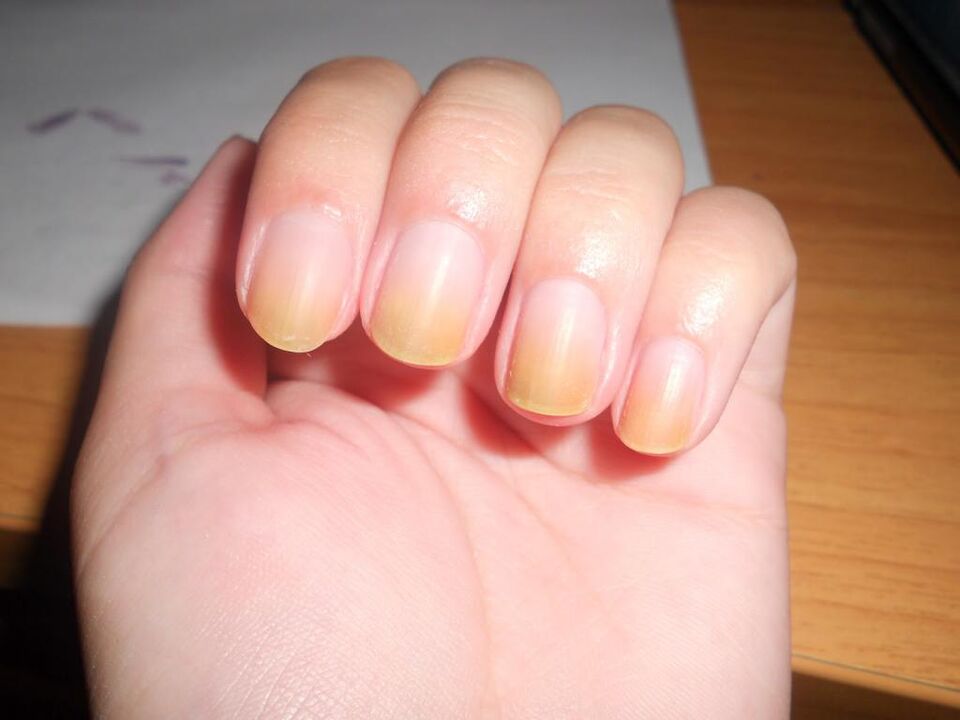
In the early stages of nail fungus, the picture above, it is almost impossible to check this disease, it develops asymptomatically.And despite seeing changes in the nails, many consider this to be a lack of the right amount of vitamins and do not worry.
However, over time, this disease can lead to the rapid spread of dangerous lesions.But still, the nail plate with a changed structure and color will tell about the disease at an early stage:
- whitish spots appear longitudinally, in the form of strips, round in shape;
- natural healthy shine and smoothness disappear;
- the surface becomes wavy and begins to thicken.
Over time, the infection can destroy the nail plate and spread to healthy nails, which often leads to inflammation and suppuration of the periungual tissue.
Therefore, it is necessary to know the main symptoms of nail fungus in the early stages:
- they gradually change shape, become too fragile, and delaminate;
- color change, depending on the degree of color, the degree of the disease can be determined;
- plates grow into the skin, causing pain;
- the skin under the nails becomes darker;
- Itching and burning occurs at the fingertips.
If the nail lesions are caused by dermatophytes, the initial manifestations occur depending on the type of disease:
- with I, the nails of the toes and feet are affected simultaneously, then the infection affects the nails;
- Type II is characterized by damage to the big toe or little toe, which then affects the interdigital fold with the formation of cracks;
- in type III, the thumb and little finger are affected, but the skin is not affected.
If the cause of the initial stages of toenail fungus, photo attached, is yeast, it is difficult to determine at an early stage that the pathological process has begun in the body.Only after a while the nail plate begins to peel and itchy skin around the nail will occur.

Diagnostics
The diagnosis of early-stage nail fungus is carried out using different methods:
- Visual inspection, which can reveal that the spots have a characteristic appearance for fungal diseases.There may be a yellow, gray or brown color, lack of shine or, on the contrary, excessive, redness of the skin around the nail.The ring structure is also a characteristic symptom of hand fungus.There may be acne, blisters with fluid, rough, dry and cracked skin, ulcers.In children, nail fungus develops differently: damage to the top layer of the nail, white spots.However, even the early stages of the fungus can be diagnosed by the carrier himself if he recognizes the symptoms of the disease.
- A culture method where part of a patient's nail with possible fungus is taken for analysis.It is placed in a nutrient medium and the process that takes place is observed for a month.Increased fungal growth indicates mycosis.If the material remains clean, it means there is no nail disease.
- Examination under a microscope.Skin fragments or nail particles are placed under a microscope and observed.With mycosis, spore chains will be noticeable, as well as single spores or mycelial threads.
How to treat early stage nail fungus
Fungal infection of the skin and nails is a rather unpleasant disease, which is characterized by damage to the nail plate, cuticle, and epidermis.At the same time, a person experiences constant discomfort associated with itching, burning, and shoe pressure on the affected area due to compaction of the nail plate.Today, there are a large number of pharmaceutical drugs to eliminate fungal structures.However, all of them are characterized by long treatment.Traditional remedies and recipes will help you quickly and painlessly overcome fungal nail infections in the early stages.The main ones that are most reliable and effective include:
- Use a soapy solution.The soap solution perfectly kills fungi and other microbes that can get on the dry skin of the hands or feet, or in microscopic wounds.To prepare the bath, use 72% regular laundry soap.It can be grated or simply dissolved in a bowl of hot water.It should steam your hands and feet for 15-25 minutes.After the procedure, the affected skin area and part of the nail plate are ground with a special file.Then, wash with clean warm water using an antiseptic.Wipe dry with a clean bath towel.
- Soak your feet and hands in the lactic acid solution.Lactic acid penetrates well through the skin and kills fungi, bacteria and viruses.You can buy it at a pharmacy or order it online.To prepare the solution, use 3 teaspoons of 40% lactic acid, 1 liter of warm, almost hot water.Before steaming, nails should be washed well and treated with a little soap.If there is microtrauma on the skin, other damage from the use of lactic acid should be avoided.
- Antiseptic treatment with ammonia solution.Ammonia solution is a popular pharmaceutical product purchased to treat nail fungus in its early stages.It is applied with a cotton swab to the damaged area that has been steamed and cleaned of the stratum corneum.
- Treatment with a weak solution of manganese."Potassium permanganate" is widely used in everyday life to treat wounds, small and large wounds, burn calluses, and to heal stitches quickly.In the practice of treating fungal infections, potassium permanganate solution shows its effectiveness only in the early stages of the pathological process;in advanced cases, it is a good antiseptic.
- Treat the fungal area with bleach.Chlorine is a powerful agent that kills 99.9% of bacteria.It is used to clean the premises, wash clothes (if the seriously ill person stays at home) and to get rid of various skin infections.The fungus is easily destroyed by bleach solution, which is prepared at the rate of 50 grams of material per 1 liter of hot water.Legs or arms are dipped into the cooled solution for 2-3 minutes.Then wash the treated area with warm boiled water and wipe dry with a specially prepared towel.
- Formaldehyde treatment.The ready-made solution is used to treat the nail plate.Apply no more than 1 drop of the substance to the damaged area.After absorption, rinse hands or feet in cold running water.The use of formaldehyde as an antifungal agent is allowed no more than once a week.
- Rub in essential oils.Essential oils of tea tree, licorice, mint, and orange are good for treating inflammatory skin diseases.Its use is advised in the complex therapy of fungal infections, to restore the integrity and beauty of the nail plate after overgrowth.
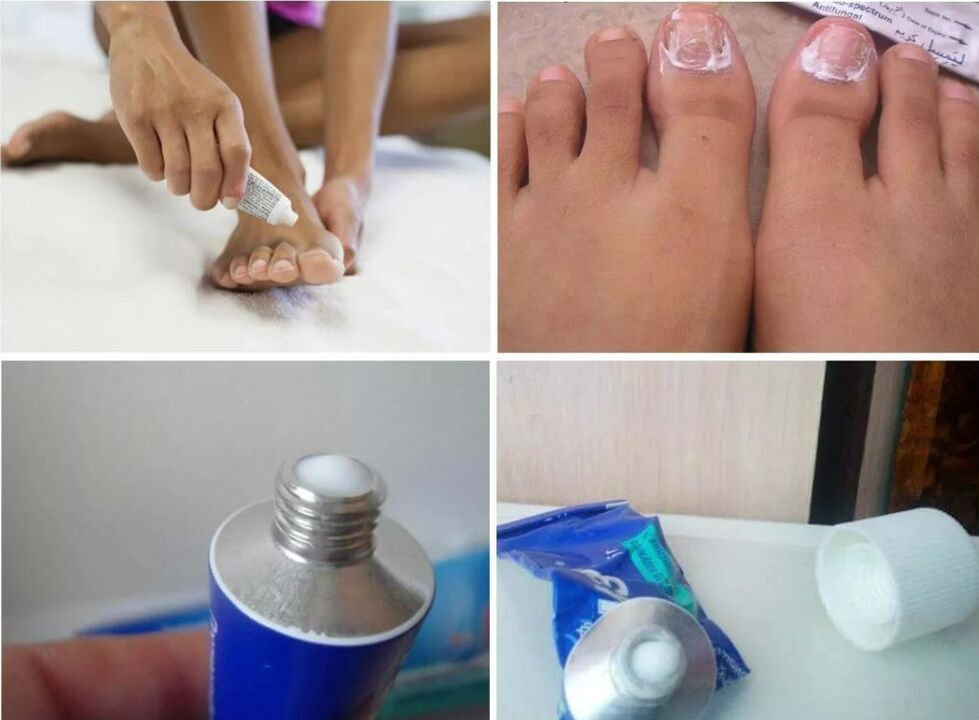
Treatment of diseases
Nail fungus in the early stages usually occurs without any symptoms.The appearance of the nail may change slightly, and some discomfort is possible, so diagnosing the fungus is quite difficult.However, this must be done as soon as possible, because this will determine how quickly one can get rid of it.Usually, to treat the initial stages of mycosis of the nail, drugs are used that have a local effect on the affected area of the nail.For more advanced fungal cases, the use of injections and tablets is usually indicated.Conventionally, methods of treating mycosis are divided into the following:
- Creams, gels and ointments are designed to restore the skin's metabolic processes, nourish and moisturize tissues.
- After application, the solution and drops penetrate into the inner layer of the nail, preventing the appearance of fungal infections.
- Injections and tablets are used as the main therapy when the fungus reaches a more advanced stage.They can be supplemented with drugs from the previous category.
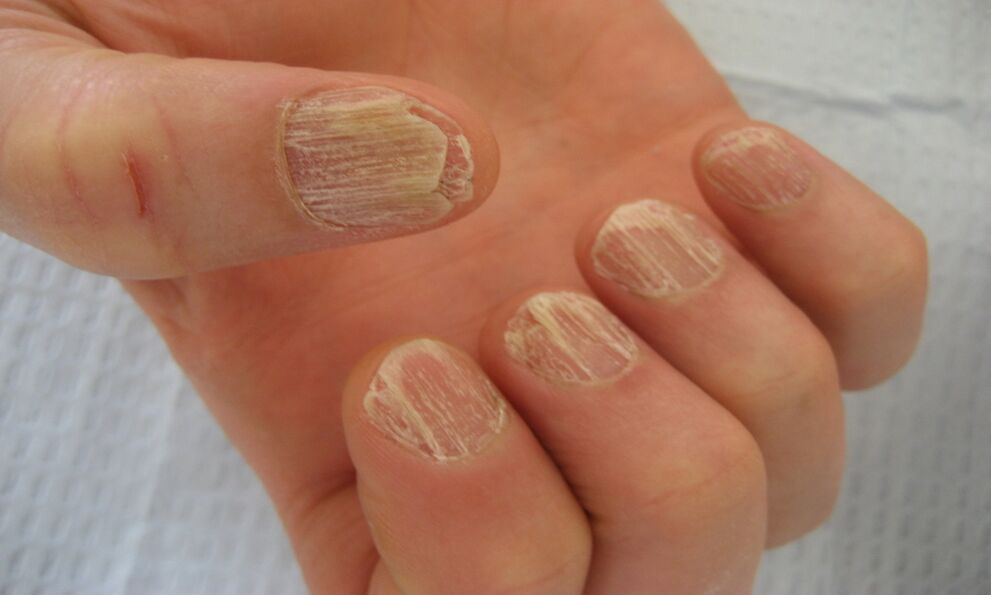
Varnishes and ointments
According to mycologists, when treating fungal infections that occur on the nails, their proliferation should be prevented.This is done in a complex way - first of all it is necessary to provide pathogenic microorganisms with an aggressive environment and unacceptable conditions for their development, then you need to strengthen the immune system, and also start the process of regeneration of nail tissue.Doctors usually prescribe non-steroidal and steroid drugs:
- Azoles are used for the development of ingrained mycosis to treat many fungi such as yeast.
- Allylamines are similar to antibiotics, however, the action is aimed exclusively at destroying fungi.These antimycotics help slow down spore reproduction and reduce candida colonies, thereby providing a fungicidal cumulative effect on the skin and nails.
Tablets and injections
In addition to the external treatment of nail mycosis, the fermentation of the pathogenic mycelium should be slowed down.For this purpose, doctors prescribe tablets with antifungal properties.There are cases where complete recovery cannot be achieved without these drugs, especially if the patient has developed a more advanced form of sporotrichosis.The following drugs are commonly used:
- Capsules for the systemic treatment of nail fungus caused by sporophytes - yeast pathogens.This is a relatively strong drug that does not require a prescription for additional drugs.
- A drug that activates the protective function and also normalizes the microflora.To enhance the effect, you can apply the solution to the affected nail area.
- Drops that belong to the allylamine group and make it possible to fight fungal strains.The active ingredient - naftifine hydrochloride - is well absorbed, creating a protective film that prevents fungal infections from penetrating into the deeper layers of the skin.
- Chinese medicine that is cheap but gives almost immediate results.It consists of synthetic compounds, as well as herbal extracts from China.It should be noted that this drug affects not only fungal nail infections, but also other pathogenic microorganisms.
- If the patient experiences itching and pain, it is recommended to apply analgesics to the affected area, and only then use healing creams, gels and ointments.In addition, baking soda and alcohol can remove this unpleasant sensation.
Nowadays, fungal nail infections, detected at an early stage, can be treated quite successfully through the use of modern medicines.Advanced nail fungus can take a long time to heal.
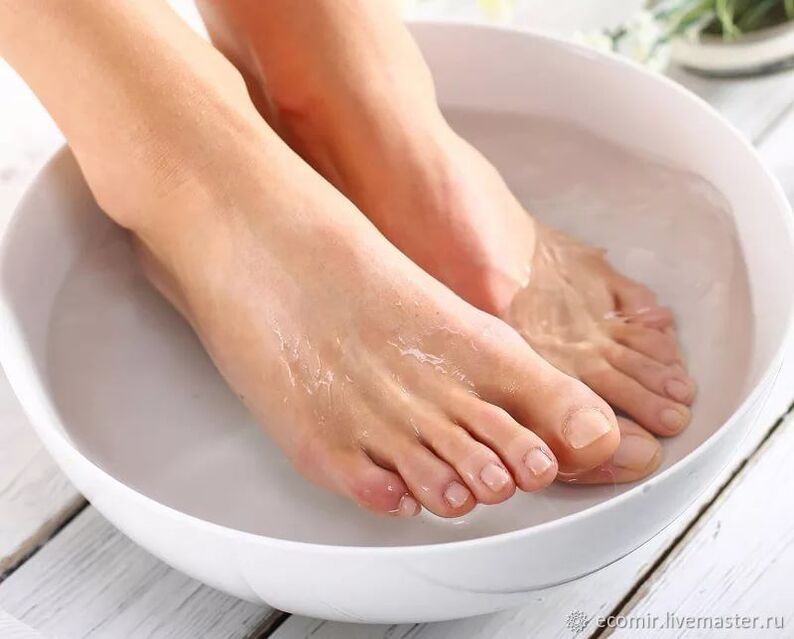
Prevention
Nail fungus is a rather delicate problem, which also causes a lot of inconvenience.And if the damage to the nail plate on the toes can still be hidden, then the separation on the hands cannot.People around, seeing the changes that happen to a person, try to avoid him, avoid direct contact, and look at each other with disgust.And at such a moment, the main problem for them is compliance with the basic rules of protection against the appearance of fungal infections.
List of defensive techniques
What is included in the list of protection techniques:
- When visiting public baths, saunas and swimming pools, you should use special shoes with rubber soles.Do not stand anywhere with bare feet and do not sit on benches, stools, or bumpers without support.
- It is not recommended to use the shower together in case of microtraumas on the skin of the hands;you should also avoid visiting gyms and sections.
- When treating nails (manicure and pedicure), you should use only your own tools, well cared for and cleaned.
- It is better to buy shoes only from natural materials.When trying, make sure you use bamboo or cotton socks.
- It is absolutely forbidden to use shared hygiene items (towels).If fungal infections and others occur, it will spread quickly among all family members.
- Hands should be washed as often as possible, making sure to dry them with disposable paper towels.
- It is forbidden to borrow other people's shoes: house slippers, slippers, shoes and especially shoes.This leads to a rapid increase in the number of pathogenic bacteria and massive infections.It is no longer useful to process shoes after several people.